
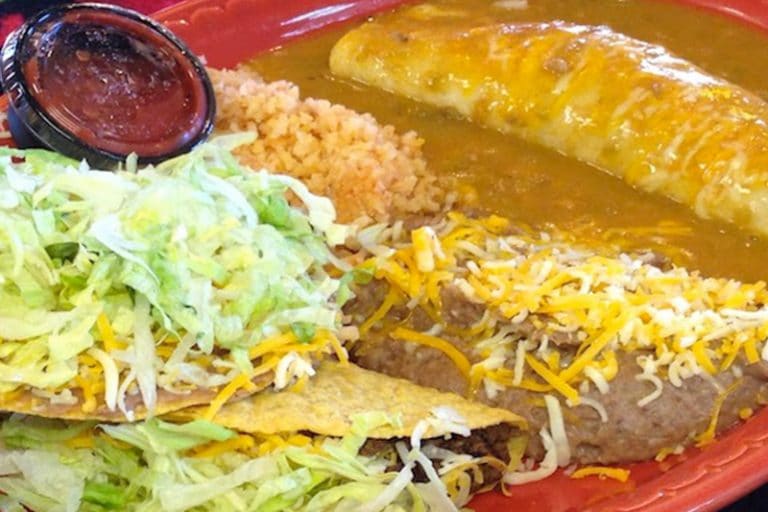
When you bite into a perfectly smothered burrito or a handmade tamale at El Chubby’s Mexican Restaurant, you’re tasting something much older than our family recipes. You’re connecting with thousands of years of culinary history that stretches back to ancient civilizations, crossed oceans with Spanish conquistadors, and traveled north through generations of Mexican families.
Since 1990, we’ve been serving Aurora, Colorado, with fresh, made-to-order Mexican food using recipes passed down through our family. But those recipes didn’t start with us. They’re part of a story that begins with the Aztecs and Mayans, winds through colonial kitchens, and continues evolving today. Understanding where these dishes come from makes every meal a little more meaningful. So let’s take a journey through the history behind your favorite Mexican dishes and see how ancient traditions end up on your plate.
Key Takeaways
- Mexican dishes at El Chubby’s connect to thousands of years of culinary history rooted in Aztec and Mayan civilizations.
- The foundation of Mexican cuisine rests on five ancient ingredients—corn, beans, squash, chilies, and tomatoes—still present in nearly every dish today.
- Spanish colonization in the 16th century introduced pork, chicken, beef, and dairy, creating the blended recipes we recognize as traditional Mexican food.
- Tacos evolved from Aztec tlacoyo (thick stuffed masa cakes), while burritos originated in northern Mexico where flour tortillas were more common.
- Tamales have been made for at least 8,000 years and remain a ceremonial dish central to Mexican family and community traditions.
- El Chubby’s Mexican Restaurant has honored these diverse regional traditions since 1990, serving made-to-order dishes rooted in centuries of culinary evolution.
Ancient Roots of Mexican Cuisine
Mexican cuisine is one of the oldest continuous food traditions in the world. Long before Europeans arrived in the Americas, Indigenous peoples had developed sophisticated agricultural systems and cooking techniques that still influence what we eat today.
The foundation of Mexican cooking rests on what historians call the “three sisters”: maize (corn), beans, and squash. These crops weren’t just dietary staples: they were the backbone of entire civilizations. The Aztecs and Mayans built empires on them, developing countless ways to prepare and preserve these ingredients.
Chilies and tomatoes rounded out this ancient pantry. If you think about it, these five ingredients still appear in almost every Mexican dish you order. That corn tortilla wrapped around your taco? That’s a direct link to pre-Columbian cooking. The beans on the side of your combo plate? Ancient agricultural wisdom, right there on your table.
The Lasting Legacy of Aztec and Mayan Cooking
The Aztecs and Mayans approached food differently, and those differences shaped regional Mexican cuisine for centuries.
Aztec cooks revered maize above all else. They ground it into masa for tortillas, wrapped it around fillings to create tamales, and boiled it into a warm drink called atole. Their cooking techniques were practical and efficient. They steamed foods in clay pots called xoctli and seasoned dishes primarily with chilies and salt. Protein was harder to come by, so the Aztec diet included insects, algae, and whatever game they could hunt.
The Mayans, on the other hand, were innovators. They developed the pib, an underground oven that slow-cooked meats to perfection. This technique gave us cochinita pibil, that incredible slow-roasted pork dish that falls apart at the touch of a fork. They also perfected “hot rock” cooking for dishes like poc chuc, a style of pork barbecue that’s still popular in the Yucatán.
One interesting difference: the Mayans actually preferred tamales over tortillas for everyday meals. Those cooking preferences established regional food identities that persist to this day.
The Spanish Influence on Traditional Recipes
Everything changed when the Spanish arrived in the 16th century. And honestly, that collision of culinary worlds created most of the Mexican dishes we know and love.
The Spanish brought pork, chicken, beef, and dairy to the Americas. They introduced wheat, rice, and new cooking fats. Indigenous cooks took these ingredients and did something remarkable: they blended them with their existing traditions instead of abandoning what they knew.
Pozole is a perfect example. This hearty stew existed before the Spanish arrived, but it was originally made with different proteins. Once pork became available, cooks adapted the recipe. The hominy stayed. The rich broth stayed. The new meat just made it better.
Mole sauces tell a similar story. The Aztecs already had complex chili-based sauces they called muli. Spanish influence added chocolate, nuts, and spices from the Old World. The result was something neither culture could have created alone.
This blending didn’t happen overnight. It took generations of cooks experimenting, adapting, and refining. The recipes we use at El Chubby’s carry that history forward. When we smother your enchiladas in our signature green chili or top your combo plate with traditional red sauce, you’re tasting centuries of culinary evolution.
The Story Behind Tacos
Tacos might be the most recognized Mexican food in the world, but their origins are humbler than you’d think.
The word “taco” likely comes from the Aztec tlacoyo, which were thick, stuffed masa cakes grilled over open flames. These weren’t the thin, flexible tortillas we use today. They were denser, more like a thick corn cake folded around beans or meat.
Over time, the tortilla thinned out and became more versatile. Workers in Mexican silver mines during the 18th century reportedly used the word “taco” to describe the small charges they used for excavation. The name stuck because the wrapped tortilla resembled those little paper-wrapped explosives.
By the 19th and 20th centuries, tacos had become street food across Mexico. Different regions developed their own styles: fish tacos along the coast, carnitas in Michoacán, barbacoa in central Mexico. Each area put its stamp on this simple concept of meat wrapped in corn.
Today, when you order a beef taco from our menu or try our grilled-to-order pollo tacos, you’re participating in a tradition that spans centuries. The format is ancient. The fillings have evolved. But the basic idea of delicious things wrapped in corn hasn’t changed since the Aztecs.
Burritos and Their Northern Mexican Origins
Here’s something that surprises a lot of people: burritos aren’t from central Mexico. They’re a northern invention, born in states like Chihuahua and Sonora where wheat flour was more common than corn.
The geography matters here. Northern Mexico’s climate was better suited for wheat production, a crop the Spanish introduced. So while southern and central Mexican cuisines stayed loyal to corn tortillas, northern cooks worked with flour. The larger, more pliable flour tortilla made it possible to wrap bigger portions of food.
Ranching culture also influenced the burrito’s development. Cowboys and vaqueros needed portable, filling meals they could eat on horseback or during long workdays. A flour tortilla stuffed with beans, meat, and rice was practical, satisfying, and easy to transport.
The name “burrito” literally means “little donkey” in Spanish. Some food historians think this refers to the rolled blankets that donkeys carried, which the wrapped tortilla resembled. Others suggest it’s because traveling food vendors used donkeys to transport their ingredients.
Whatever the origin of the name, the burrito became a Texas and American Southwest staple before spreading across the United States. Our smothered burritos, topped with green chili and served with rice and beans, honor that northern Mexican tradition while adding the touch of authentic preparation our family has perfected over the decades.
Enchiladas Through the Centuries
Enchiladas have one of the clearest connections to pre-Columbian cooking. The name itself tells you what you need to know: “enchilada” comes from the Spanish word enchilar, meaning “to season with chili.”
Aztec cooks dipped corn tortillas in chili-based sauces long before anyone thought to roll them around fillings. These early versions were simpler than what we serve today, but the concept was the same: tortilla plus chili sauce equals something delicious.
The Spanish contribution was adding protein. Once pork, chicken, beef, and cheese became available, cooks started rolling fillings inside the tortillas before covering everything in sauce. The enchilada we recognize today was born.
Different regions developed signature styles. Red enchiladas used dried chili sauces. Green enchiladas featured tomatillo-based sauces. Suizas (“Swiss-style”) added cream. Mole enchiladas incorporated those complex, chocolate-touched sauces we talked about earlier.
Our cheese enchiladas smothered in traditional red sauce connect directly to this history. When you order our Combo #7 with a cheese enchilada and smothered relleno, you’re eating dishes that Aztec cooks would recognize, just with a few hundred years of refinement added in.
The Evolution of Tamales
If any dish proves that Mexican food traditions run deep, it’s the tamale. We’ve been making some version of tamales for at least 8,000 years.
Both the Aztecs and Mayans considered tamales essential. They weren’t everyday food for these ancient peoples: they were ceremonial, important, worthy of special occasions. Tamales appeared at religious festivals, weddings, and celebrations of all kinds.
The basic technique has barely changed. Masa (corn dough) gets spread on a corn husk or banana leaf, filled with meat, vegetables, or other ingredients, wrapped up, and steamed. The Aztecs stuffed theirs with turkey, fish, frog, and even iguana. They flavored them with chilies, beans, and whatever local ingredients were available.
Spanish influence expanded the filling options. Pork became a favorite. Chicken grew popular. Sweet tamales with fruit and sugar emerged as dessert options.
But here’s the thing: making tamales is labor-intensive. You can’t rush them. They require time, care, and usually multiple hands working together. That’s why tamale-making remains a family and community activity in Mexican culture. Generations gather to make tamales together, especially during holidays.
We sell our traditional, handmade tamales by the half or full dozen. Each one represents thousands of years of tradition, wrapped up in a corn husk and smothered in our signature green chili.
How Regional Flavors Shape Every Dish
Mexico is a big country with diverse geography, and that diversity shows up on the plate. Coastal regions cook differently than mountain communities. The north has different traditions than the south. Understanding these regional differences helps explain why Mexican food is so varied.
The Yucatán Peninsula, home to Mayan descendants, emphasizes citrus marinades, achiote seasoning, and slow-cooked pit dishes. Pan de cazón, a layered tortilla dish with baby shark meat, reflects the coastal abundance. You won’t find that in landlocked regions.
Central Mexico, the Aztec heartland, kept the focus on corn, chilies, and complex mole sauces. This is where you find the most variety in chili preparation and the deepest commitment to corn-based dishes.
Northern Mexico, with its ranching culture and wheat production, developed flour tortillas, grilled meats, and the burrito tradition. The influence of this region spread into Texas and the American Southwest, shaping what many Americans think of as “Mexican food.”
Oaxaca is called the “land of seven moles” because of its incredible sauce diversity. Veracruz blends Spanish, Caribbean, and Indigenous influences along the Gulf coast. Every state, every city, every family puts its own spin on traditional dishes.
At El Chubby’s Mexican Restaurant, we draw from these diverse traditions. Our menu includes central Mexican classics like enchiladas and tamales alongside northern-influenced burritos and grilled meats. We serve carne asada bowls and queso con chorizo, fresh asada fries and handmade tamales. It’s all Mexican food, just from different branches of the same culinary family tree.
Conclusion
Every dish on our menu carries a story. The tacos trace back to Aztec tlacoyo. The enchiladas descend from chili-dipped tortillas eaten before Europeans knew the Americas existed. The tamales connect us to ceremonies held thousands of years ago. Even our burritos represent a specific regional tradition that developed in northern Mexico and spread across borders.
Knowing this history doesn’t change how the food tastes. But it does add something. When you understand that your meal represents generations of cooks adapting, experimenting, and passing down recipes, each bite becomes a little more meaningful.
At El Chubby’s Mexican Restaurant in Aurora, we’ve been part of that tradition since 1990. Our family recipes honor the history while making it accessible every single day. Whether you’re dining in our restaurant, swinging through the drive-thru, or ordering delivery through DoorDash or Uber Eats, you’re getting food made with care, grilled to order, and rooted in centuries of culinary evolution.
Come taste the history for yourself. Stop by El Chubby’s, open Monday through Saturday from 8 AM to 8 PM and Sundays from 11 AM to 8 PM. We’re cooking up something delicious, and we’d love to share it with you.
Frequently Asked Questions
What is the history behind traditional Mexican dishes?
Traditional Mexican dishes trace back thousands of years to Aztec and Mayan civilizations. These ancient cultures developed cooking techniques using corn, beans, squash, chilies, and tomatoes. Spanish colonization in the 16th century introduced pork, chicken, beef, and dairy, blending with Indigenous traditions to create the Mexican cuisine we enjoy today.
Where did tacos originally come from?
Tacos originated from the Aztec tlacoyo—thick, stuffed masa cakes grilled over open flames. Over centuries, tortillas became thinner and more versatile. By the 19th and 20th centuries, tacos evolved into street food across Mexico, with different regions developing unique styles like fish tacos, carnitas, and barbacoa.
Why are burritos different from other Mexican dishes?
Burritos are a northern Mexican invention from states like Chihuahua and Sonora, where wheat flour was more common than corn. The larger, more pliable flour tortillas allowed for bigger, portable meals ideal for ranchers and cowboys. The name ‘burrito’ means ‘little donkey,’ possibly referencing the rolled blankets donkeys carried.
How old are tamales in Mexican culinary history?
Tamales are among the oldest Mexican dishes, with a history spanning at least 8,000 years. Both Aztecs and Mayans considered them ceremonial foods for religious festivals, weddings, and celebrations. The basic technique of spreading masa on corn husks, filling, wrapping, and steaming has remained virtually unchanged for millennia.
What makes authentic Mexican food different from Tex-Mex?
Authentic Mexican food emphasizes regional traditions, fresh ingredients, and techniques passed down through generations. It features diverse preparations based on geography—from Yucatán’s citrus marinades to Oaxaca’s seven moles. Tex-Mex, while delicious, is a fusion cuisine that developed along the Texas border with heavier use of cheese, cumin, and yellow cheese sauces.
How did Spanish colonization influence Mexican cuisine?
Spanish colonization transformed Mexican cooking by introducing pork, chicken, beef, dairy, wheat, and rice. Indigenous cooks brilliantly blended these new ingredients with existing traditions rather than abandoning them. This fusion created beloved dishes like modern pozole, complex mole sauces with chocolate and nuts, and cheese-filled enchiladas.
